ICOM IC-A25N Handheld NAV/COM Transceiver w/ Bluetooth – Open Box: Versatile Cockpit and Ground Communication
ICOM IC-A25N Handheld NAV/COM Transceiver w/ Bluetooth – Open Box: Versatile Cockpit and Ground Communication
Blog Article
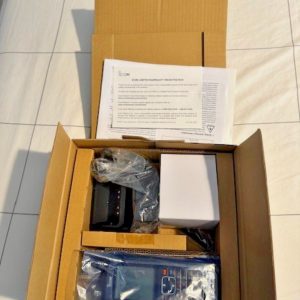
:::writingvariant="document" id="58314" ICOM IC-A25N Handheld NAV/COM Transceiver w/ Bluetooth – Open Box: Reliable NAV/COM Performance The ICOM IC-A25N Handheld NAV/COM Transceiver w/ Bluetooth – Open Box is a versatile communication and navigation device for pilots, flight instructors, aircraft operators, aviation students, and ground personnel who require dependable portable radio capability. An open-box ICOM transceiver can be attractive to buyers who want dependable features while reducing the cost of purchasing professional aviation equipment. An ICOM IC-A25N Handheld NAV can support pilots who need a portable radio for cockpit backup, preflight monitoring, flight training, and general aviation communication. As an ICOM IC-A25N Aviation Radio, the transceiver may be used during normal flight operations, communication training, airport monitoring, ground coordination, and emergency preparation. A portable ICOM IC-A25N Handheld Radio supports flexible aviation operations because it can remain with the pilot rather than being permanently installed in one aircraft. As a Handheld NAV/COM Aviation Transceiver, the unit combines portable communication with navigation-related functions in one organized device. Whether pilots need a Handheld Aviation Radio, Aviation NAV/COM Radio, Pilot Handheld Radio, or portable Aircraft Communication Radio, the complete package should be inspected and tested. The handheld format makes the unit relevant to buyers comparing Emergency Aviation Radio, Backup Aircraft Radio, ICOM Pilot Radio, and portable navigation communication equipment.
Overview of the ICOM IC-A25N Aviation Radio
The ICOM IC-A25N is designed to provide aviation communication and navigation-related functionality in a portable enclosure suitable for cockpit, ramp, hangar, training, and emergency use. A handheld NAV/COM platform can serve as primary portable equipment in suitable operations or as supplementary equipment alongside panel avionics. Real-world results depend on setup, antenna use, radio configuration, location, surrounding structures, and the condition of the complete package. Operators should include the radio in normal equipment checks so batteries, accessories, and settings remain ready for use.Using the ICOM IC-A25N Handheld NAV
The navigation-oriented functions can complement normal cockpit planning when used within their intended purpose and understood limitations. Aircraft owners may keep the radio available when maintenance temporarily removes power from installed communication equipment. Navigation features should support rather than replace required pilot preparation, approved navigation equipment, current charts, and appropriate operational judgment. A complete preflight review can confirm that the radio is charged, configured, accessible, and ready to support the planned operation.Benefits of an ICOM IC-A25N Aviation Radio
An ICOM IC-A25N Aviation Radio can serve pilots who need portable communication for flight operations, aircraft delivery, training, airport coordination, or emergency preparedness. Aircraft sales organizations may keep handheld radios available during demonstrations, repositioning, delivery preparation, and customer familiarization. Buyers should consider the radio’s physical condition, battery age, charging equipment, antenna, clips, headset accessories, manuals, packaging, and evidence of proper operation. A functional demonstration can confirm that the radio powers on, accepts charging, responds to controls, displays information, produces audio, and recognizes included equipment.ICOM IC-A25N Handheld Radio Portability
A compact radio can remain in a flight bag alongside headsets, charts, flashlights, batteries, and other essential pilot equipment. The antenna should be protected from bending or crushing while the radio is transported with other equipment. Preparation outside the aircraft supports more confident, efficient, and less distracting use during actual operations. Careful handling allows a portable aviation radio to remain a dependable part of the pilot’s equipment inventory.Choosing a Handheld NAV/COM Aviation Transceiver
The integrated format can reduce the need to carry separate handheld receivers for several common aviation tasks. Buyers should compare interface design, battery options, charging arrangements, antenna quality, accessory availability, display readability, audio performance, and operational needs. A brief function check can identify weak battery performance, loose accessories, damaged connectors, or configuration problems before departure. An equipment log may be helpful for flight schools, shared aircraft, or aviation businesses where several users handle the same device.Maintaining a Handheld Aviation Radio
A handheld aviation device can support monitoring and communication activities from the cockpit, ramp, hangar, or operations office. Backup capability may help pilots maintain access to important communication options while managing an abnormal situation appropriately. Radio performance can be affected by aircraft structure, cockpit location, antenna orientation, terrain, buildings, interference, weather, and distance. The device should not be used for casual or unnecessary transmissions that could interfere with operational communications.Aviation NAV/COM Radio Functions
An Aviation NAV/COM Radio gives pilots portable access to communication and navigation-support features that may complement installed cockpit avionics. A portable radio should support cockpit management rather than add unnecessary workload. Pilots should maintain current charts, navigation planning, weather awareness, and suitable avionics for the flight being conducted. Before departure, pilots should confirm that the radio is charged, correctly configured, securely stored, and easy to reach.Pilot Handheld Radio Applications
Pilots may carry a handheld radio as part of a broader emergency kit that includes lights, power supplies, charts, tools, and survival equipment appropriate to the flight. The device should remain accessible to the pilot without becoming a loose object or interfering with cockpit controls. A pilot should practice basic operations such as powering on, selecting a frequency, adjusting audio, transmitting appropriately, using memory functions, and checking battery status. The radio’s charging schedule should reflect how often it is used and how long it remains stored between flights.Portable Aircraft Communication Radio
Portable aircraft radios are useful when installed equipment is unavailable, an aircraft is unpowered, or personnel need communication away from the cockpit. Pilots should listen before transmitting, speak clearly, keep messages relevant, and verify that the correct frequency is selected. Users should establish realistic expectations by testing the radio in normal conditions rather than assuming identical range to panel equipment. A cracked housing, loose antenna connection, damaged battery latch, or unreliable control can affect usability even when the check here radio still powers on.Choosing a Portable Aviation Transceiver
A Portable Aviation Transceiver offers communication mobility for pilots and aviation professionals who are not always positioned inside a powered aircraft. Charging equipment should be identified clearly and kept with the correct radio and battery system. Wireless connectivity may help pilots integrate the radio into a preferred communication setup when paired equipment is supported and configured correctly. Careful setup allows portable wireless communication features to improve convenience without creating unnecessary cockpit distraction.Aviation Communication Device for Professional Use
The ideal device balances functionality with an interface the user understands and can operate confidently. Transparent condition information allows the purchaser to judge whether the price reflects the package accurately. Equipment logs can improve accountability when several instructors, pilots, or technicians share one transceiver. Regular updates to operating procedures may be required when accessories, paired devices, aircraft assignments, or personnel change.Handheld Aircraft Radio Applications
Ground teams may use appropriate handheld equipment during coordinated activities where aviation communication is required and authorized. The radio provides practical value wherever access to aviation communication is useful away from a powered instrument panel. Cockpit use requires secure storage and careful cable management so the radio does not interfere with flight controls, doors, seat adjustment, or emergency movement. After ground or cockpit use, the radio should be checked for dirt, moisture, fuel residue, oil, impact damage, and accessory wear.Choosing an Aviation Navigation Radio
Navigation functions can add value during training, planning, route familiarization, and backup preparation when used appropriately. The radio should be configured on the ground whenever possible instead of during high-workload cockpit operations. The device should become part of a layered navigation and communication strategy rather than the sole source of critical information. Users should remove outdated memories or clearly organize frequencies to reduce confusion during operation.Maintaining an ICOM Pilot Radio
An ICOM Pilot Radio can appeal to aviation users who value an established communications manufacturer, aviation-focused controls, portable construction, and practical accessory support. A complete and well-documented package can be more valuable than a lower-priced unit missing essential equipment. Buyers should compare the offered radio with their headset, Bluetooth devices, aircraft environment, charging resources, and expected operating frequency. Pilots should record serial information, purchase details, accessory inventory, battery condition, and any warranty documentation.Using an Emergency Aviation Radio
The IC-A25N can become part of a broader emergency equipment strategy appropriate to the aircraft, route, environment, and pilot’s needs. The radio should be positioned where it can be reached without searching through baggage during an urgent situation. Pilots should evaluate whether the radio can be heard clearly in the noise environment of their aircraft. Preparedness transforms an Emergency Aviation Radio from a stored accessory into a meaningful backup communication tool.Backup Aircraft Radio Applications
A portable radio may also support communication when an aircraft is on the ground with its electrical system disconnected or undergoing avionics maintenance. Pilots should confirm charge status, antenna attachment, audio output, Bluetooth pairing, memory organization, and accessibility. A dedicated flight-bag pocket, protective mount, or secured cockpit storage area may provide suitable access. Backup planning should also consider how the aircraft will be flown, navigated, and managed while the pilot is using the portable radio.Inspecting an Open-Box ICOM IC-A25N
Buyers should review the radio body for scratches, cracks, missing labels, damaged controls, loose components, or wear around frequently handled areas. Buyers should ask whether the radio was displayed, returned, tested, paired, charged, transmitted with, or previously registered. A complete demonstration can provide valuable confidence for buyers who cannot inspect the radio in person. Shipment photographs can document package contents and physical condition before dispatch.Protecting ICOM IC-A25N Reliability
A handheld aviation radio can provide many years of useful service when it is protected from impact, moisture, heat, contamination, and careless storage. Occasional-use radios should still receive periodic checks because batteries and electronic components can deteriorate during inactivity.- Inspect the radio body, display, antenna, battery, charger, controls, connectors, clips, cables, and included accessories before important operations.
- Confirm that paired accessories, headset connections, stored information, display settings, antenna attachment, and power level are suitable for the planned operation.
- Charge and store the battery according to appropriate guidance while keeping all accessories labeled and together.